If you are looking to upgrade the look and feel of your home or property, one of the easiest ways to bring this to life is with a repainting service. Whether it’s for the interior or exterior, repainting can enhance a space’s aesthetic appeal and provide greater protection against the effects of time and wear.
But depending on the condition of the surface in question and your overall goals, a repaint may not be feasible or necessary. In fact, if you are working with a particular older property, a restoration may be what you need most.
A restoration is a very different process from a repaint and usually requires repairs or replacements of existing materials. While there is some overlap between repair and restoration, property owners should understand the difference between the two processes to determine what will work best for them.
You may think all your property needs is a fresh coat of paint, but after a thorough inspection, you may find you need more than you think!
What Is a Repaint?
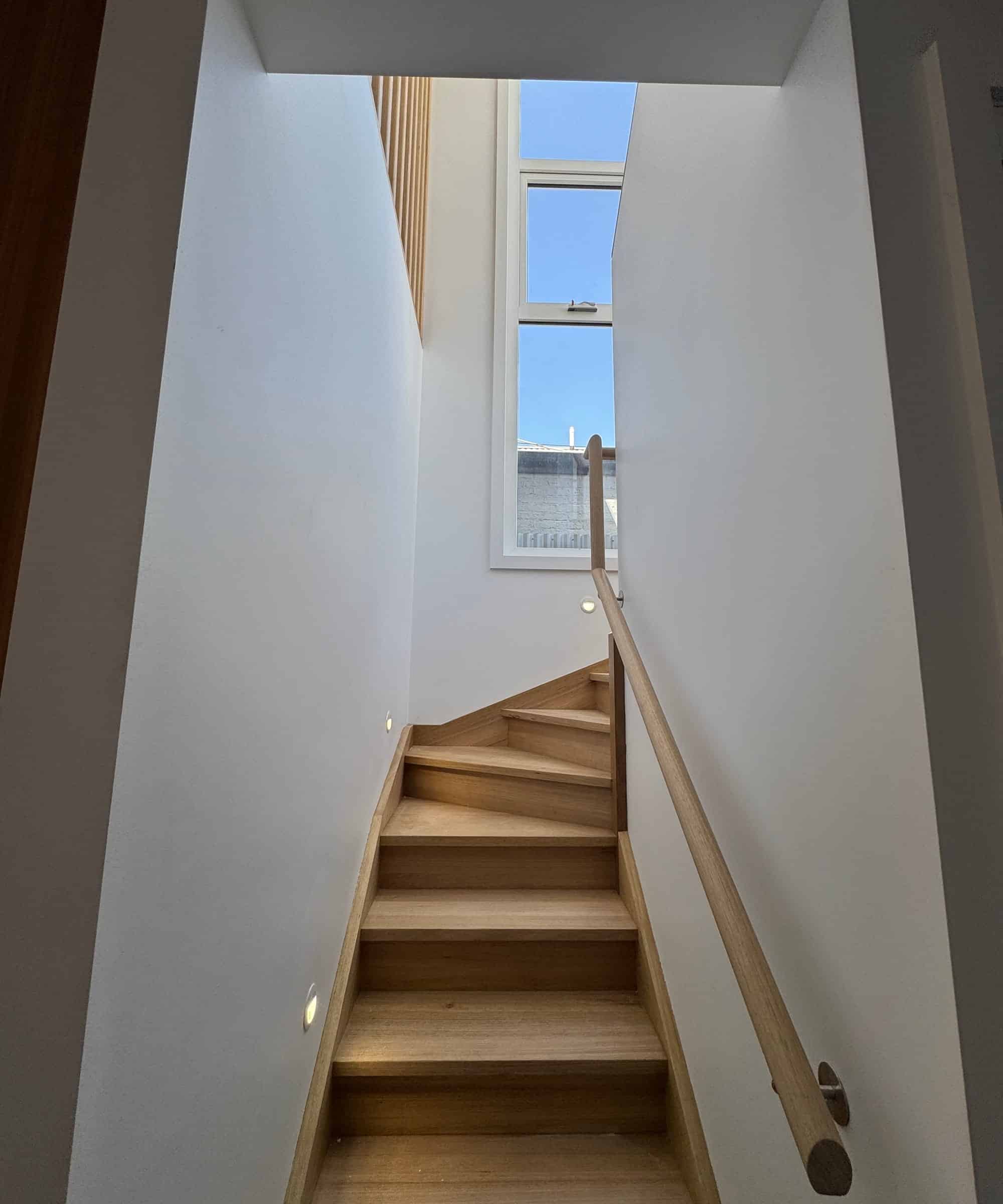
A repaint is suitable when the existing surface is still in good, stable condition and new coats of paint can be effectively applied. This means the existing paint is well-bonded, with only minor wear and tear; there are no major signs of peeling, flaking, or water damage.
One way we test a surface’s condition is with the “Scratch & Tape Test”:
- Scratch test → paint doesn’t come off easily.
- Tape test → paint stays in place when tape is removed.
If the site passes both tests, then the surface is generally sound and ready for a repaint.
Typical Repaint System
A repaint usually follows a 3-coat system:
- Surface preparation (cleaning, sanding, minor repairs)
- Undercoat (as required)
- Two finish coats
This system works well when the substrate is already stable. New layers of primer and paint can be applied without worry of insufficient sealing, lifting, or bubbling.
What Is a Restoration?
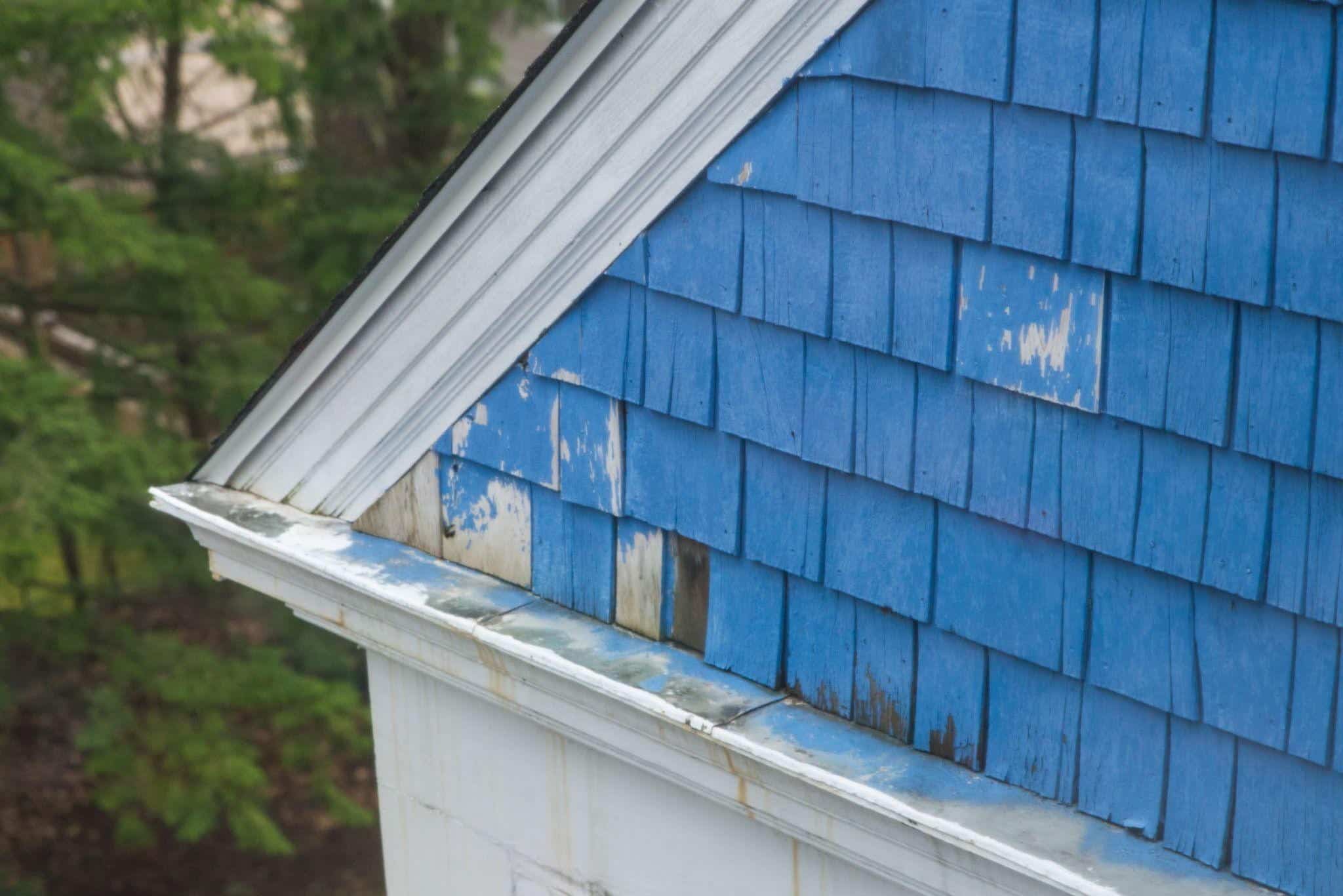
Restoration is required when the existing coating or substrate has failed. This can be caused by damage to the current layers of paint or to the materials underneath.
Signs You Need Restoration
When a restoration is required, a simple repaint cannot be done since the new layers of paint will not hold. Here are some obvious signs that a restoration is in order:
- Flaking or peeling paint
- Failed adhesion: the “Scratch & Tape Test” fails
- Paint keeps coming off when scraping
- Timber rot or damage
- Water stains (yellow marks)
- Heavy brush marks or poor previous work
- Build-up of layers causing uneven finishes
Typical Restoration System
When we restore a surface—especially timber—we often return it to a stable base using a series of techniques and finishes. In most cases, restoration becomes a 4–5 coat system.
A full restoration system performed by a professional painter can look like this:
- Sand back to a stable surface, sometimes to bare substrate
- Apply oil-based undercoat to seal the timber grain
- Preparation and repairs (filling, sanding, shaping)
- Apply acrylic undercoat to seal and stabilise
- Inspect and correct imperfections; spot priming if required
- Apply two finish coats
When Clients Think They Need a Repaint (But Don’t)
We often get clients who see an older paint job, recognise it is in dire need of a refresh, and think all they need is a repaint. But in fact, what they actually require is a restoration.
This mix-up is all too common.
To the untrained eye, a surface might look fine and ready for a repaint. This is why an inspection is always necessary.
During an inspection, we often find the following signs that a restoration is required:
- Coating failure underneath
- Poor bonding from previous jobs
- Moisture ingress
- Excessive paint build-up
If you repaint over any of these conditions, then the new paint will fail as well. So while it may seem easier to just slap on a new colour, there is often more work to do before applying primer and paint!
What a Proper Inspection Looks Like
Before even picking up a brush, a professional painter in Melbourne will inspect the work area to determine the appropriate level of care and restoration needed. Some methods a painter will use to inspect the property include:
- Identify existing coatings (oil vs acrylic)
- Use tools (moisture reader, torch, etc.)
- Test adhesion
- Document findings
- Walk through the property with you
Once a thorough assessment of the site has been conducted, your painter can recommend the appropriate system based on facts, not guesswork. Trust us; you and your wallet will be grateful!
Why Restoration Costs More
If your painting project requires a restoration, then it will be more expensive than a repaint alone. Restoration is more expensive because you’re not just simply painting; you’re rebuilding the surface properly.
- More labour involved
- More preparation required
- More coats in the system
- More materials
A restoration may not return the surface to its true original construction, but it can provide the appropriate structure for a flawless repaint that will last through years of wear and tear. That’s the difference between a quick fix and a long-term solution.
Repaint vs Restoration (Simple Comparison)
| Repaint vs Restoration (Simple Comparison) | |
| Repaint | Restoration |
| Around 3 coats | Around 5 coats |
| Less prep work | More prep and repairs |
| Faster process | More time and detail required |
| Lower labour costs | Higher labour costs |
- Cheap repaint → 1–2 years lifespan
- Proper system → 10–15 years lifespan
Pro tip: Time is one of the biggest factors affecting the final price of a repaint or a restoration!
Choosing the Right Painting System in Melbourne Matters
Whether your property needs a simple repaint or a full restoration, the key is making sure the surface is properly assessed before any paint is applied. While a repaint is ideal for stable, well-conditioned surfaces, failed coatings and damaged substrates require a more thorough restoration process to achieve a finish that truly lasts.
Painting over peeling paint, moisture damage, or unstable timber may look fine initially, but without the right preparation, the new coating will eventually fail as well. That’s why professional inspections and proper preparation are so important — they help prevent costly repairs and repainting down the track.
At We Paint Aus, we provide honest advice based on the actual condition of your property! If a repaint is suitable, we’ll let you know. If restoration work is needed, we’ll explain exactly why and recommend the right long-term solution for your home.
Where We Work — House Painters Near You Across Melbourne
Whether you are searching for house painters near me in Melbourne’s bayside suburbs or further east, We Paint Aus works across a wide range of Melbourne suburbs. Our teams are currently active in Brighton, Hampton, Sandringham, Beaumaris and Mentone across the Bayside corridor, as well as Box Hill, Blackburn and Glen Waverley in Melbourne’s inner east. Each suburb brings its own property conditions from period homes near the bay to brick veneer and timber-clad homes further east and our approach to preparation and system selection reflects that. If you have been searching for a painter near me and you’re based in any of these areas, we are already working in your neighbourhood.
Book a Professional Inspection with We Paint Aus
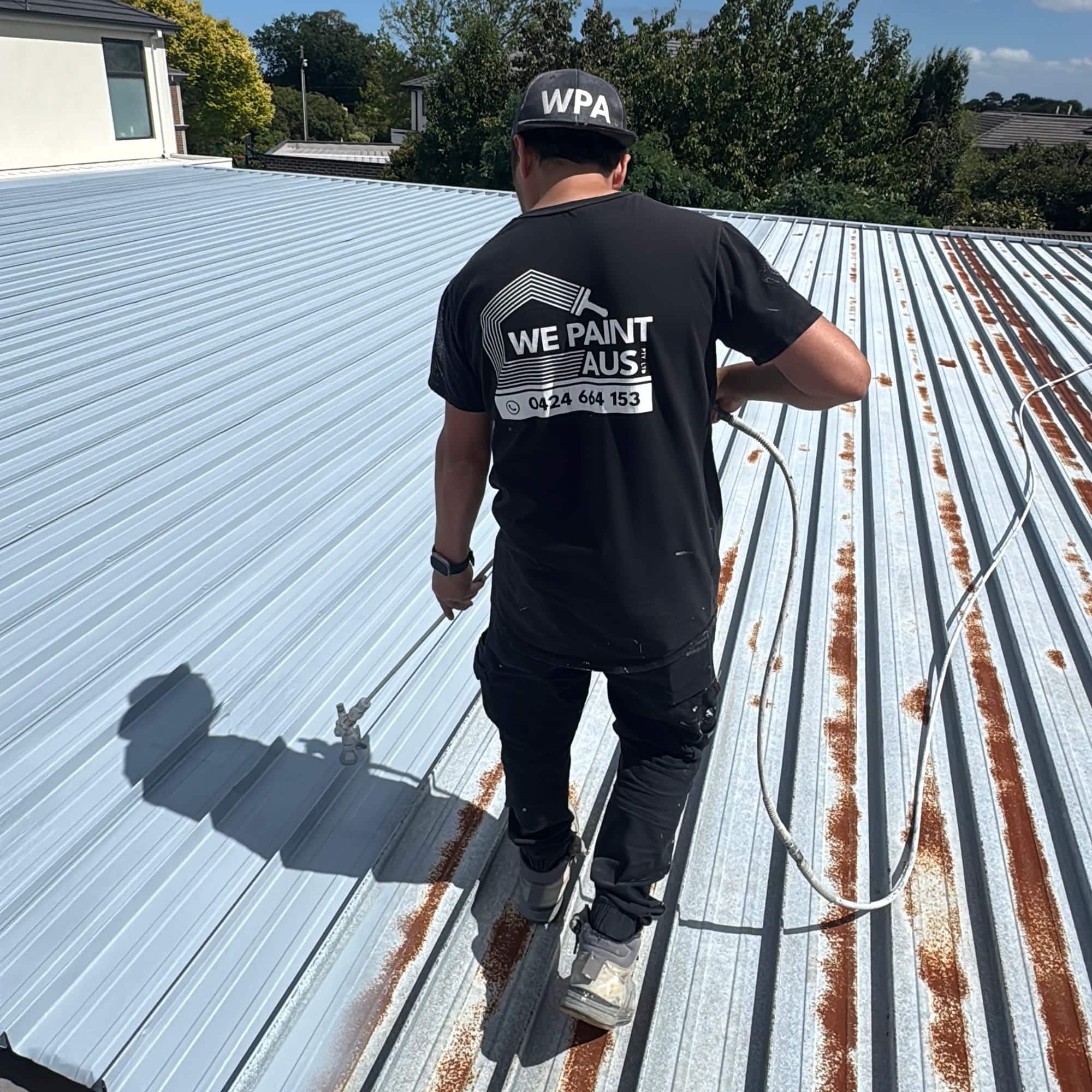
If you’re not sure what you need, whether your property needs a repaint or restoration, then the best first step is to book a proper inspection with a professional, local painter in Melbourne.
At We Paint Aus, we will assess your surfaces in detail, explain everything clearly, and recommend the right system to keep your property looking better than ever for longer.
We work across interior painting and exterior painting for both residential and commercial properties throughout Melbourne.
So contact us today to arrange an inspection and get expert advice on the right painting system for your Melbourne property!


